Laboratory Instruments & Equipment
Essential instruments for physics, chemistry, and biology experiments
Physics Instruments
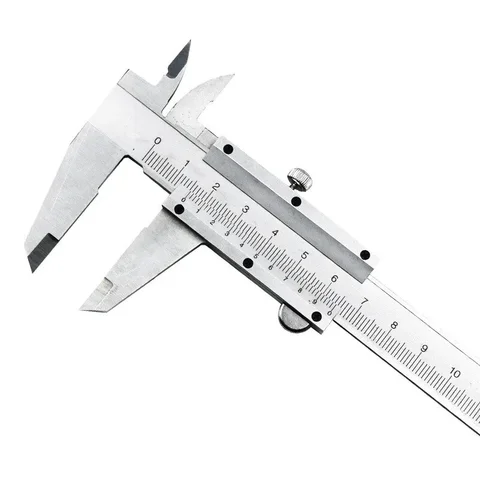
Vernier Caliper
Used for precise measurement of internal and external dimensions, depth, and step measurements with accuracy up to 0.01 mm.
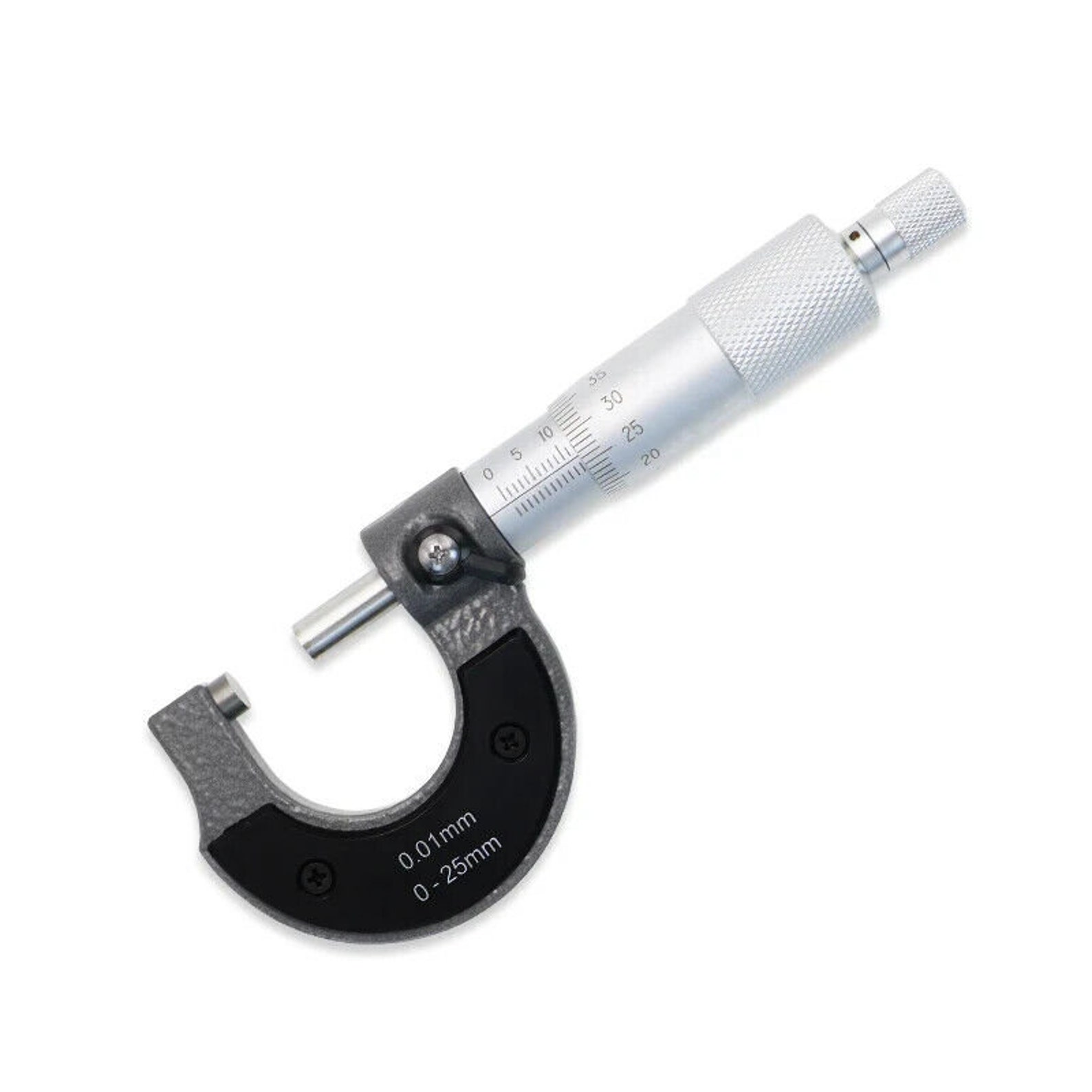
Micrometer Screw Gauge
Measures very small thicknesses and diameters with high precision up to 0.001 mm using a screw mechanism.

Stopwatch
Used for precise time interval measurement in experiments involving motion, oscillations, and reaction time.
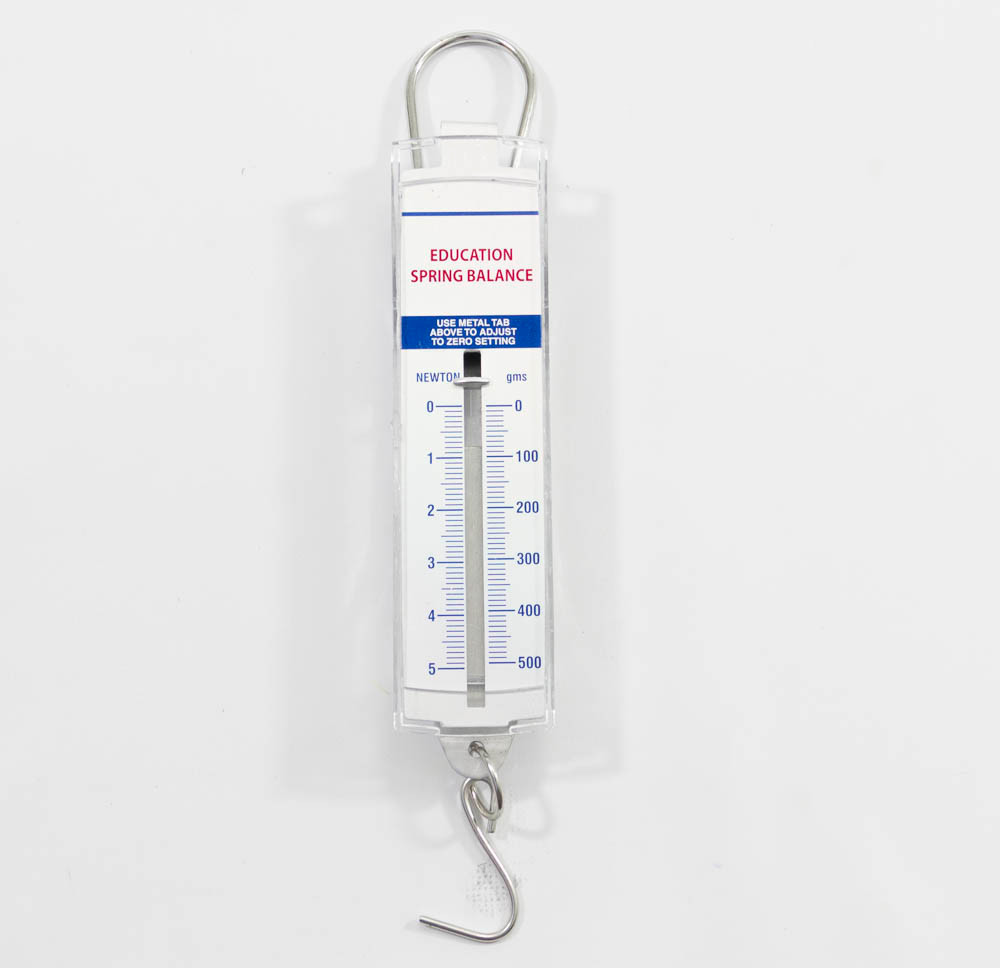
Spring Balance
Measures weight or force by balancing the force with spring extension based on Hooke's Law.

Ammeter
Measures electric current in a circuit. Connected in series to measure current flow in amperes.

Voltmeter
Measures electrical potential difference between two points in a circuit. Connected in parallel.
Chemistry Instruments

Beaker
Used for stirring, mixing, and heating liquids. Available in various sizes with graduated markings.

Test Tube
Used to hold, mix, and heat small quantities of substances for chemical reactions and experiments.
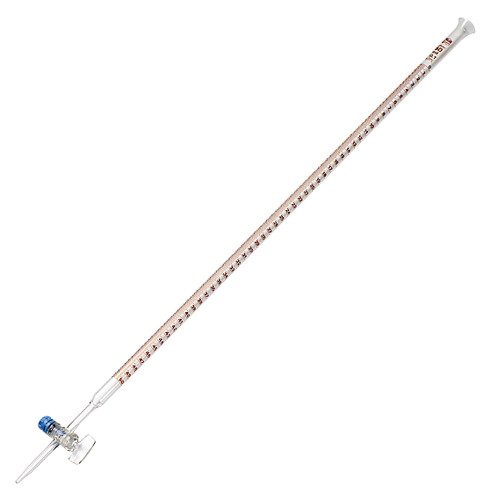
Burette
Used for precise dispensing of variable amounts of liquid in titration experiments. Graduated with a stopcock.
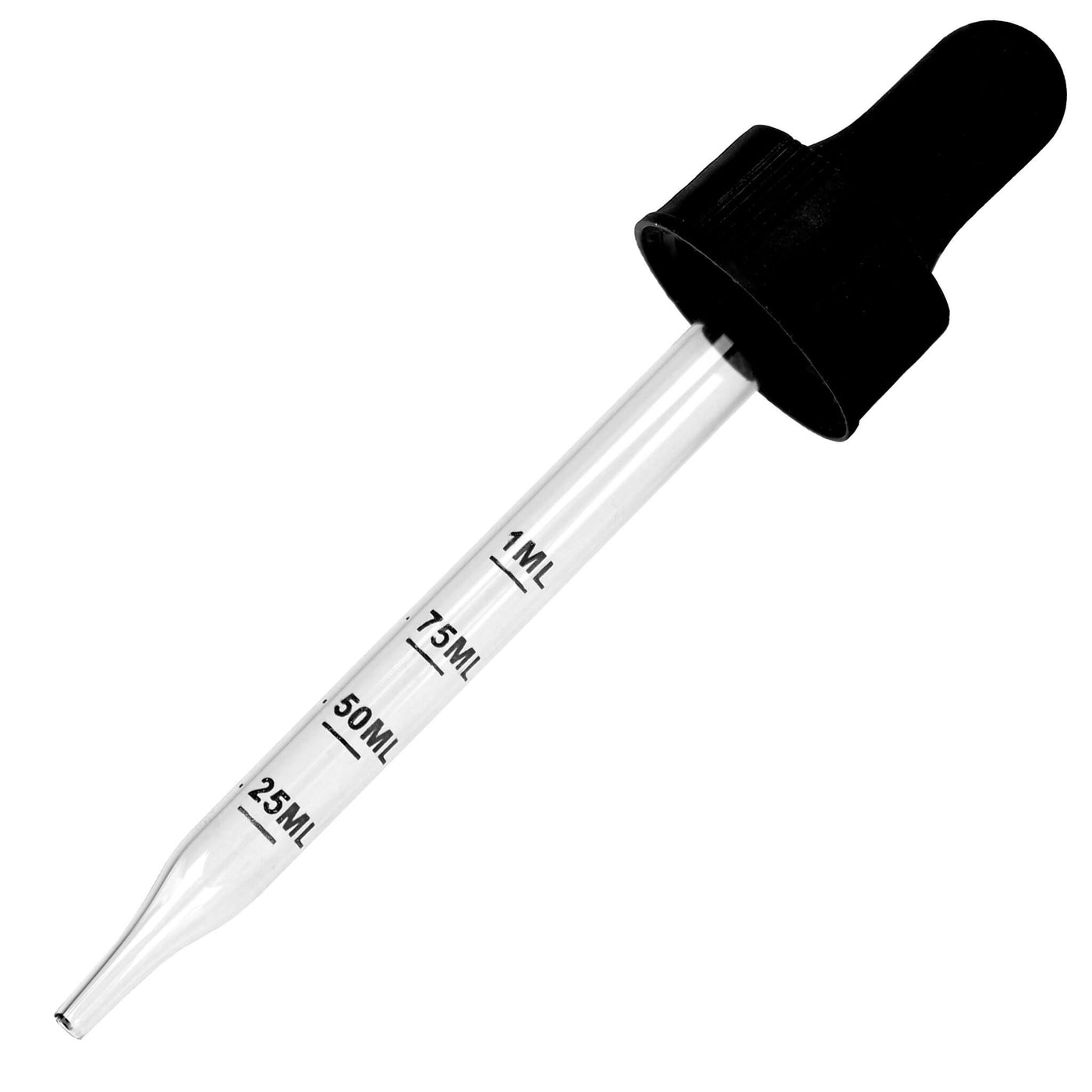
Pipette
Used to transfer measured volumes of liquid with high accuracy. Common in analytical chemistry.
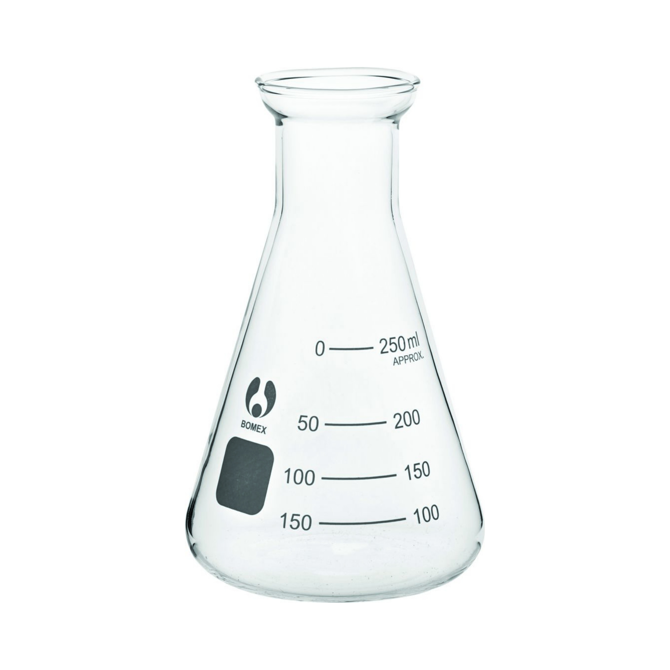
Conical Flask
Also known as Erlenmeyer flask. Used for swirling liquids without spillage during titrations.

Bunsen Burner
Produces a single open gas flame for heating, sterilization, and combustion experiments.
Biology Instruments

Microscope
Used to view objects too small for the naked eye, magnifying cellular structures and microorganisms.
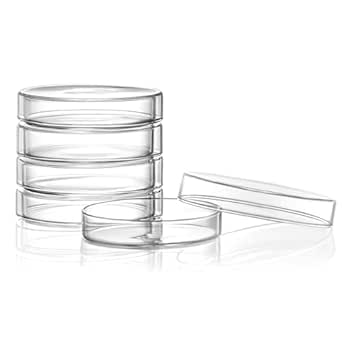
Petri Dish
Shallow cylindrical dish used to culture microorganisms like bacteria and fungi on agar plates.

Thermometer
Measures temperature in experiments, from freezing points to boiling points in Celsius or Fahrenheit.
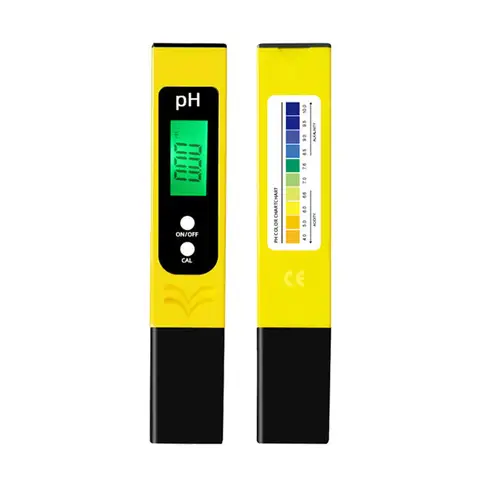
pH Meter
Electronic device used to measure hydrogen ion activity in solutions, determining acidity or alkalinity.
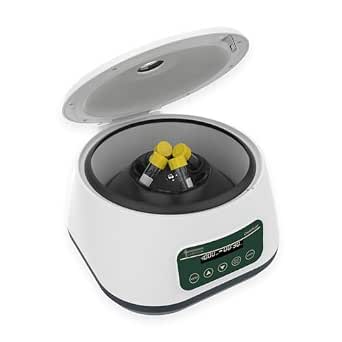
Centrifuge
Spins samples at high speeds to separate substances of different densities using centrifugal force.
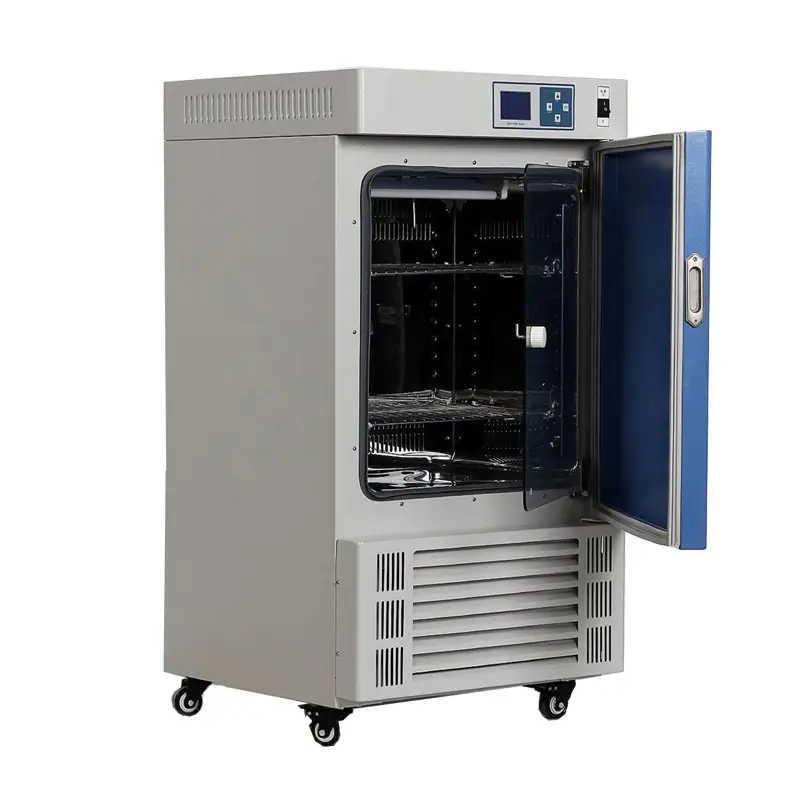
Incubator
Maintains optimal temperature and conditions for growing and maintaining microbial cultures.